Salt Spray and Coastal Grime: What Glenelg Owners Should Know
Living near the water in Glenelg is a lifestyle many Adelaide residents envy. Walking distance to the beach, the Jetty Road cafes and the Patawalonga is hard to beat. But the same sea air that makes the suburb so appealing also carries salt, fine sand and airborne moisture that settle on almost every exterior surface. If you own a home, unit, car, boat or business in Glenelg, understanding how coastal grime forms and how to manage it will save you money and keep your property looking its best well into 2027 and beyond.
What Is Salt Spray and Why Does It Matter in Glenelg?
Salt spray, sometimes called marine aerosol, is created when waves break and wind lifts tiny droplets of seawater into the air. Onshore breezes, which are common along Adelaide's Gulf St Vincent coastline, carry these droplets inland. In Glenelg, properties close to Moseley Square, the foreshore and the streets running parallel to the beach tend to receive the heaviest deposits, but salt can travel several kilometres inland on windy days.
When the water evaporates, salt crystals remain on surfaces. These crystals are hygroscopic, meaning they attract moisture from the air. That keeps surfaces damp for longer and speeds up corrosion, paint failure and staining. Add in sand, pollen, bird droppings, traffic film and organic growth, and you get the sticky, dull layer commonly known as coastal grime.
Where Coastal Grime Builds Up Around Your Property
Salt and grime do not settle evenly. Some areas collect more than others, and some are harder to notice until damage has already started.
Windows and Glass
Glass often shows salt haze first. A cloudy film on windows and balustrades is usually a mix of salt, dust and moisture. Left too long, salt can etch into the surface, particularly where water pools along frames and sills. Glass pool fencing and balcony balustrades common in Glenelg apartments are especially exposed.
Roofs, Gutters and Walls
Rooftops catch salt-laden air and rain only partly rinses it away. Sheltered areas under eaves, behind downpipes and along the south side of buildings stay unwashed by rain, so salt builds up and can lead to rust, flaking paint and premature wear on metal roofing and fixings. Render, limestone and older brickwork can absorb salt, resulting in white powdery deposits called efflorescence and, over time, crumbling mortar.
Metal Fixtures and Outdoor Furniture
Gates, letterboxes, clothesline frames, door hardware, barbecues and outdoor settings can corrode quickly. Even products labelled as rust-resistant can develop pitting if salt is not rinsed away. Marine-grade stainless steel (316) generally performs better near the coast than standard 304 stainless.
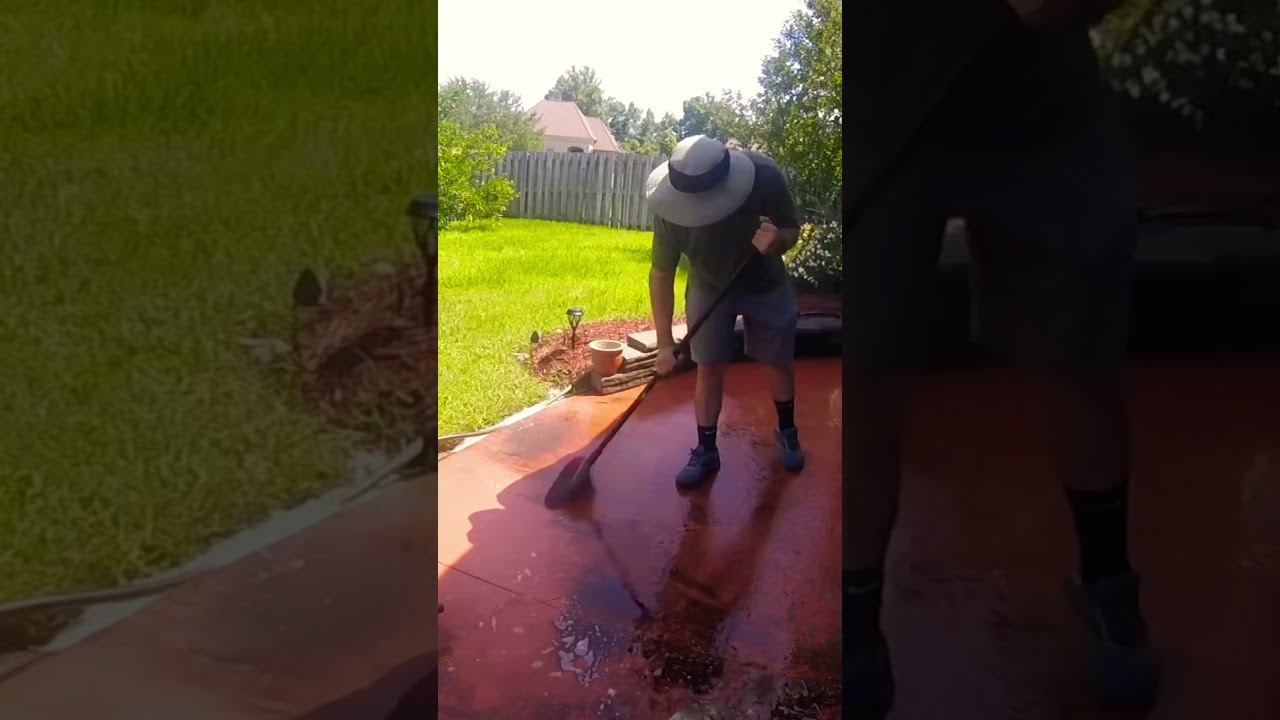
Decks, Paving and Driveways
Timber decks and pavers trap salt, sand and moisture, encouraging mould, algae and slippery surfaces. Slip hazards are a particular concern around pools, steps and entertaining areas.
Vehicles and Boats
Cars parked outdoors in Glenelg are exposed to salt on paintwork, wheel arches and the undercarriage, which is where rust often starts. Boats and trailers face even harsher conditions, especially if they are launched at the nearby marina and not rinsed with fresh water afterwards.
Signs Salt Damage Is Taking Hold
Catching problems early makes repairs far cheaper. Keep an eye out for these warning signs during your regular property checks:
- Cloudy or streaky film on windows that does not clear with normal cleaning
- Orange or brown rust streaks beneath screws, fixings and metal fittings
- Bubbling, peeling or chalky paint on fences, window frames and eaves
- White, powdery deposits on brick, render or concrete
- Green or black patches of mould and algae on shaded walls and paving
- Stiff or corroded hinges, locks, sliding door tracks and garage door mechanisms
- Pitting or bubbling on car paint and wheel arches
How Often Should You Clean?
There is no single schedule that suits every property, but a few general guidelines work well for Glenelg conditions. Properties within https://glenelgpressurecleaning.com.au/deck-cleaning/ a few hundred metres of the beach benefit from more frequent attention than those further inland.
- Windows and glass balustrades: every one to three months for beachfront or near-beachfront homes, and every three to six months elsewhere in the suburb
- Metal fixtures, hardware and outdoor furniture: a fresh water rinse every few weeks
- Exterior walls, roofs and gutters: a thorough clean and inspection at least once a year
- Decks, paths and driveways: cleaning once or twice a year, plus after any extended damp period
- Vehicles: a wash every one to two weeks, including the underbody, especially after windy or stormy days
Practical Cleaning Tips for Coastal Properties
Regular, gentle maintenance does more good than occasional aggressive cleaning. Start by rinsing surfaces with fresh water to dissolve and remove loose salt before scrubbing. Scrubbing dry salt and sand across glass or paint can cause fine scratches.
Use a pH-neutral cleaner for most surfaces and always check manufacturer guidance for finishes such as powder coating, anodised aluminium and timber stains. Harsh chemicals can strip protective coatings and leave surfaces more vulnerable to salt. A soft brush, microfibre cloth or soft-wash approach is usually safer than high pressure on older render, weathered timber and roof tiles.
Be careful with pressure washers. High pressure can force water behind cladding, damage mortar, lift paint and push salt deeper into porous materials. Many professionals use lower-pressure or soft washing techniques combined with appropriate detergents for exactly this reason.
For windows, work in the shade or on a cool, overcast day to avoid streaking. Rinse first, then wash with a squeegee and clean cloth. Do not forget the tracks, frames and flyscreens, where salt and sand collect and can jam moving parts.
Preventing Salt Damage Before It Starts
Prevention is often easier than repair. Consider these approaches for Glenelg properties:
- Choose coastal-rated materials: marine-grade stainless steel, powder-coated aluminium, hot-dip galvanised fixings and corrosion-resistant roofing are better suited to salty air.
- Maintain protective coatings: repaint or recoat metal and timber before the existing finish fails, and touch up chips promptly.
- Apply protective treatments: sealants for pavers and timber, and protective coatings for glass, can help repel moisture and make future cleaning easier.
- Lubricate moving parts: use a marine-appropriate lubricant on hinges, locks and sliding tracks.
- Keep drainage clear: blocked gutters and weep holes leave salty water sitting against surfaces.
- Cover or store items: use covers for outdoor furniture and barbecues, and garage cars or boats when possible.
Salt, Grime and Your Car
Many Glenelg residents park on the street or in open carports, so vehicles take the brunt of coastal air. Rinse the underbody and wheel arches regularly because salt trapped in hidden areas can quietly rust brake lines, suspension parts and body seams. Apply wax or a ceramic-style coating to give paintwork a barrier against salt and UV. Avoid washing in direct sun, and dry the vehicle to prevent mineral spotting.
Bodies Corporate, Apartments and Commercial Premises
Glenelg has a large number of apartments and commercial premises, where salt and grime affect shared areas like façades, balconies, glass lifts, signage and car parks. For bodies corporate and business owners, a planned maintenance schedule is far more cost-effective than reactive repairs. Document cleaning dates, inspect common-area metalwork and sealants each year, and budget for periodic façade cleaning and recoating. For high-rise or hard-to-reach surfaces, use qualified contractors with appropriate safety training and equipment for working at height.
Mould, Algae and Humidity
Glenelg's mild climate and coastal humidity mean mould and algae can thrive on shaded south-facing walls, fences and paving, particularly in winter. These growths hold moisture against surfaces and can stain or degrade them. Treat affected areas with a suitable mould or algae cleaner, then improve airflow and drainage where possible by trimming back vegetation and fixing leaking taps, downpipes or irrigation.
When to Call a Professional
Basic rinsing and routine cleaning are manageable for most owners, but some jobs are best left to professionals. These include cleaning multi-storey windows, treating heavily corroded metal, restoring weathered render or roofing, and soft-washing delicate or older materials. A qualified local provider will understand the specific effects of Glenelg's conditions and can recommend the right products and frequency for your property type.
When choosing a service provider, ask about insurance, experience with coastal properties, the products and methods they use, and whether they can set up a regular maintenance plan. Local knowledge matters because the demands on a beachfront apartment differ from those on a home a few streets back.
Key Takeaways for Glenelg Owners
Salt spray and coastal grime are part of life by the sea, but they do not have to lead to costly damage. Rinse often, clean gently, protect vulnerable surfaces and use materials designed for coastal conditions. A modest routine of regular upkeep, combined with a yearly inspection, keeps your home, vehicle and business looking sharp and protects the value of your investment as we move through 2026 and into 2027.
Glenelg Pressure Cleaning
Unit 3/2-4 Byre Ave, Somerton Park SA 5044
(08) 7282 0893